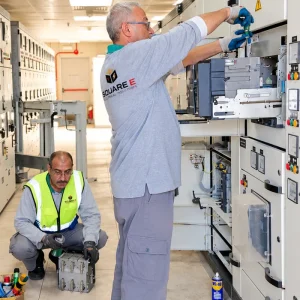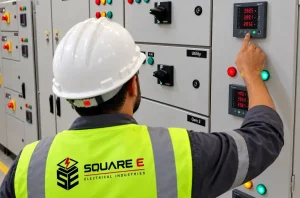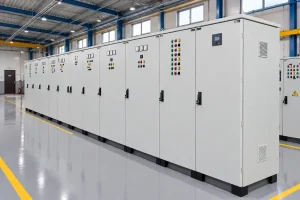


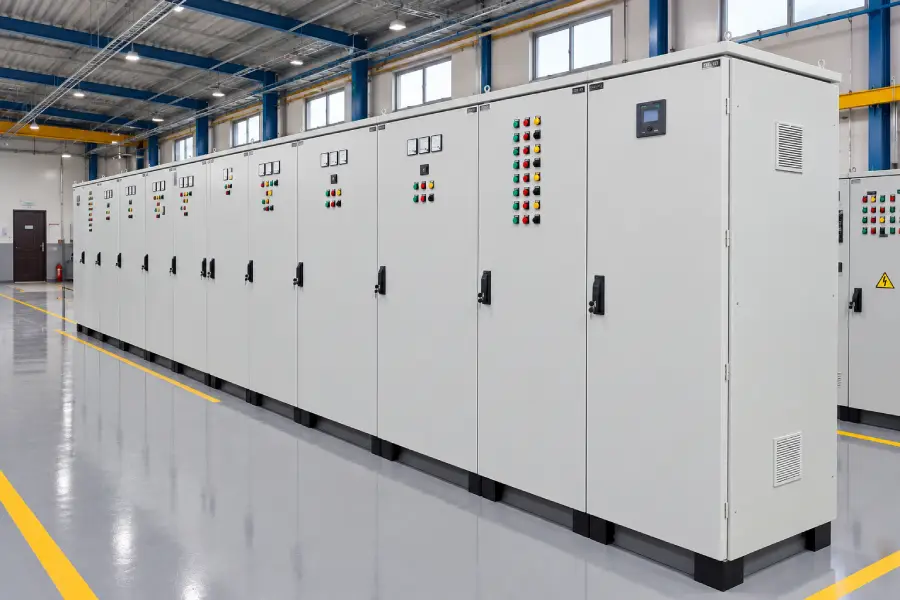
The Main Distribution Board (MDB) is the heart of any low-voltage installation. It receives power from the transformer or utility supply and distributes it safely to sub-main boards, motors and final circuits. Choosing the right MDB at the design stage saves cost, downtime and redesign later.
1. Start with an accurate load schedule
List every connected load, apply realistic diversity factors and add a margin of 20–25% for future expansion. This defines the rated current of the main incomer and busbars.
2. Check the short-circuit rating
The board’s short-time withstand current (Icw) and the breaking capacity of its breakers must exceed the prospective fault level at the installation point. Under-rated equipment is one of the most common and dangerous specification errors.
3. Select the right form of separation
Internal separation (Form 1 to Form 4) determines how safely an outgoing feeder can be maintained while others stay energized. Critical facilities such as hospitals, data centers and factories usually justify Form 3b or Form 4.
4. Plan protection and metering
- Selective coordination between upstream and downstream breakers
- Earth-fault and surge protection
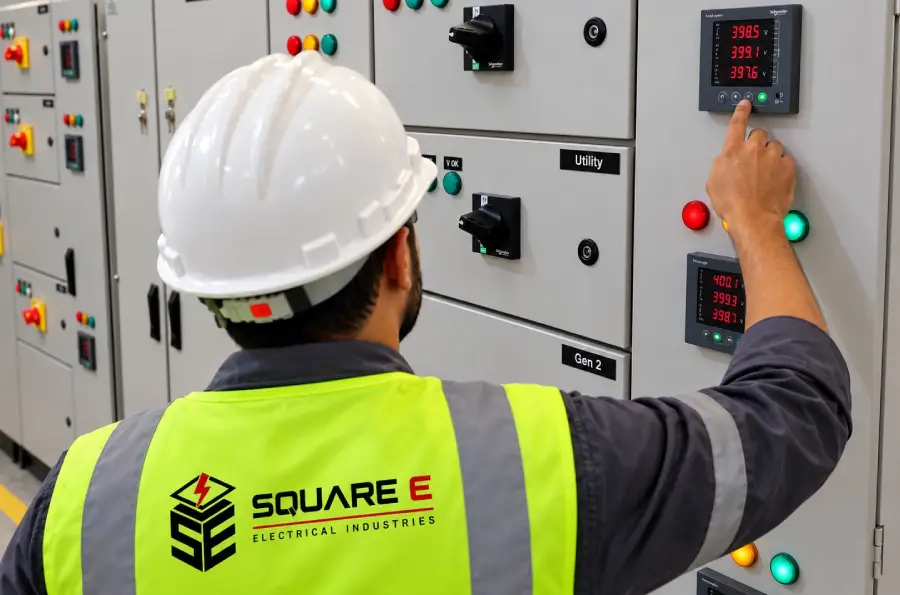
- Multifunction meters for energy monitoring
5. Insist on tested, approved designs
A type-tested design according to IEC 61439, approved by the relevant utility, gives you confidence that the panel will perform as specified for its entire service life.
At Square E, our engineering team designs and manufactures MDBs tailored to each project’s load and fault-level requirements. Contact our team to discuss your next project.